The High-Tech Reality of traditional curing of Prosciutto di Parma at Fratelli Galloni
Sat Jun 20 2026238
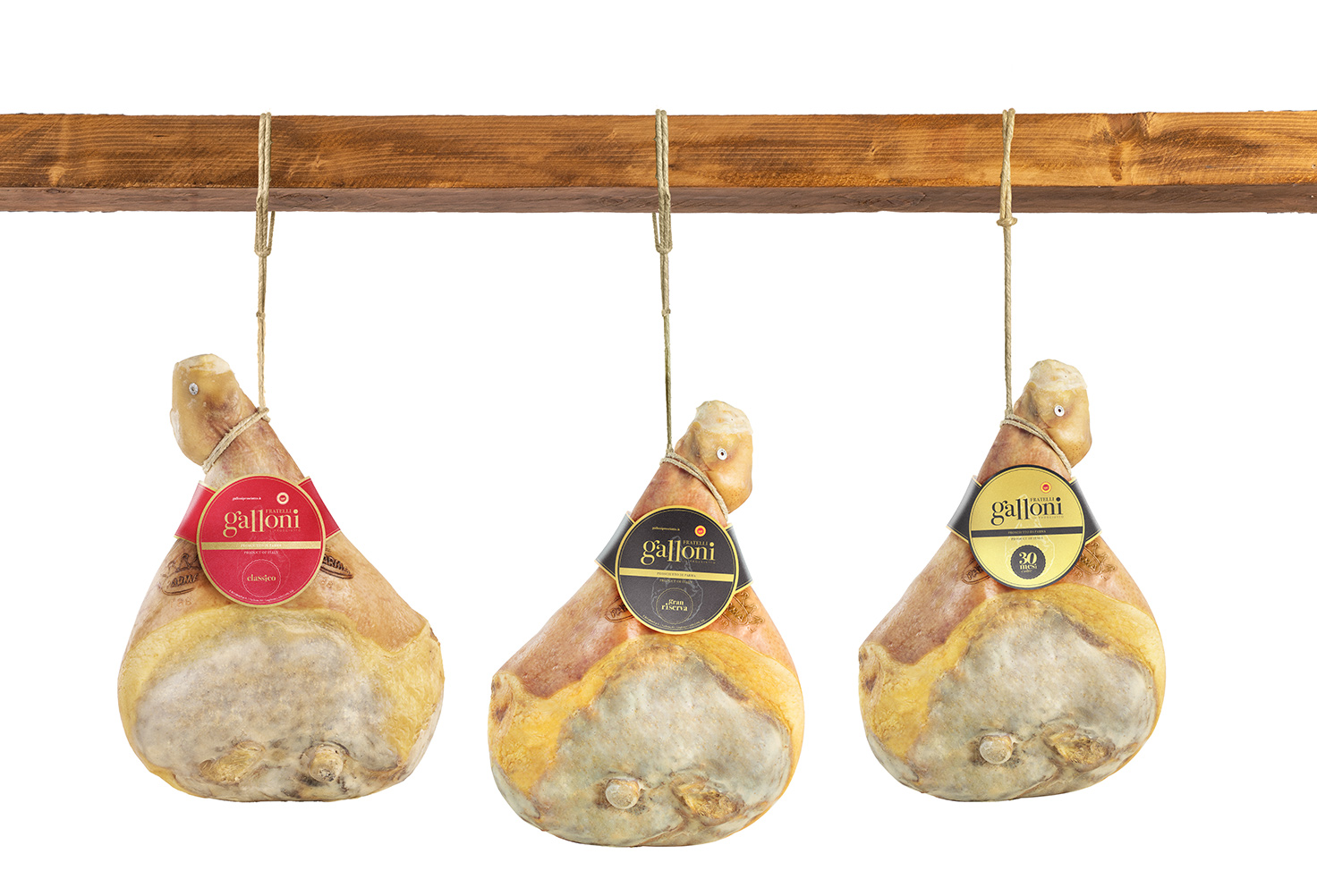
I use to think the secret to perfect Prosciutto di Parma is simply pork, salt, and the gentle Italian breeze. But when I stepped inside Fratelli Galloni's factory, this idea faded into something far more impressive: an operation where survival depends on mastering thermodynamic control, microscopic risks, and traditional recipes.
Mastering Hurdle Technology
Fratelli Galloni is globally renowned for its signature "sweet" flavor profile, achieved through
exceptionally delicate aging and minimal sodium content. Delivering this sensory experience requires biochemical tightrope to remain compliant with the strict Consorzio del Prosciutto di Parma regulations. These rules dictate that the final product must maintain a salt concentration between 4.2% and 6.2%, alongside a moisture content of maximum 61.5% (rarely up to 62.0%)
In the absence of high salt concentrations, synthetic chemical preservatives, or thermal lethality steps, the operation relies entirely on advanced Hurdle Technology to guarantee biological safety. The primary hurdle in this complex meat matrix is the meticulous control of Water Activity (aw), a thermodynamic metric representing the free water available for microbial metabolism.
During the extensive maturation process, the facility precisely manages drying kinetics to drive moisture diffusion from the core to the surface. By ensuring the water activity is less than or equal to 0.92, the facility establishes a biochemical barrier against pathogens like Listeria monocytogenes. This careful manipulation acts as a failsafe, effectively neutralizing the risk of halotolerant pathogens even at the absolute lower bounds of permitted sodium levels.
Pathogen Limits in EU and USA
The transition from whole, bone-in hams to pre-sliced, packaged formats introduces the most critical vulnerability in the production chain: post-lethality exposure. This bottleneck is particularly challenging given Galloni's massive export operations to both European and American markets, which impose vastly different regulatory frameworks. High-speed slicing equipment creates an ideal mechanical vector for cross-contamination, demanding uncompromising environmental pathogen control.
A direct comparison of these frameworks reveals the intense operational pressures placed on export-driven facilities:
The European Standard: EU regulations operate on the scientific consensus that only ingestion levels exceeding 100 CFU/g are typically injurious to healthy consumers, allowing for quantitative predictive modeling.
The American Standard: The USDA FSIS Zero Tolerance policy mandates absolute absence, treating the detection of any Listeria species on food contact surfaces as an indicator of adulteration
To consistently satisfy brutal USDA requirements, the final slicing—conducted at specialized external partner facilities—functions at a pharmaceutical grade. Utilizing positive air pressure, HEPA filtration, and rigorous environmental swabbing, these dedicated clean rooms physically exclude aerosols and bio-particulates. Galloni's meticulous internal deboning protocols are the critical prerequisite here; they ensure the hams enter this highly sensitive, off-site slicing stage with an optimized microbiological baseline, protecting the final RTE product far beyond local minimum requirements
Zero Waste Through Upcycling trimmings
Sustainable manufacturing within the modern agro-food industry increasingly focuses on the reduction of Food Loss and Waste (FLW). In alignment with the UN 2030 Agenda for Sustainable Development, Fratelli Galloni successfully upcycles its meat trimmings and irregular off-cuts into premium secondary commodities. While this circular economic model is highly resource-efficient, it introduces significant Hazard Analysis and Critical Control Point (HACCP) complexities.
The core microbiological risk in upcycling stems from geometry. Processing whole muscle into smaller trimmings exponentially increases the exposed surface area of the meat. In food safety parameters, an increased surface area correlates directly with an amplified risk of airborne contamination, bacterial adhesion, and rapid lipid oxidation.
Overcoming this geometric vulnerability requires highly sophisticated processing controls. The Quality Assurance protocols necessary to safely process these off-cuts demand rapid chilling, strict segregation of raw materials with varying microbiological profiles, and continuous equipment sanitation. By effectively neutralizing these kinetic challenges, Galloni simultaneously achieves ecological sustainability and peak food safety with the iconic sweet taste.